The property puts a cold trout stream, a forest, a wetland and a National Register cabin in one place. That gives teachers material for science, history, art, technology and civics, and gives students a way to put their work in front of the whole county.
 Concept illustration
Education
Cooks Run is meant to be a classroom: a real stream, a historic building and a public site where students do work that actually gets used.
Learn here
Four ways students can take part
Forestry and ecology
- Stream health and water-quality monitoring
- Wildlife habitat field studies
- Forest inventory and stand assessment
History and heritage
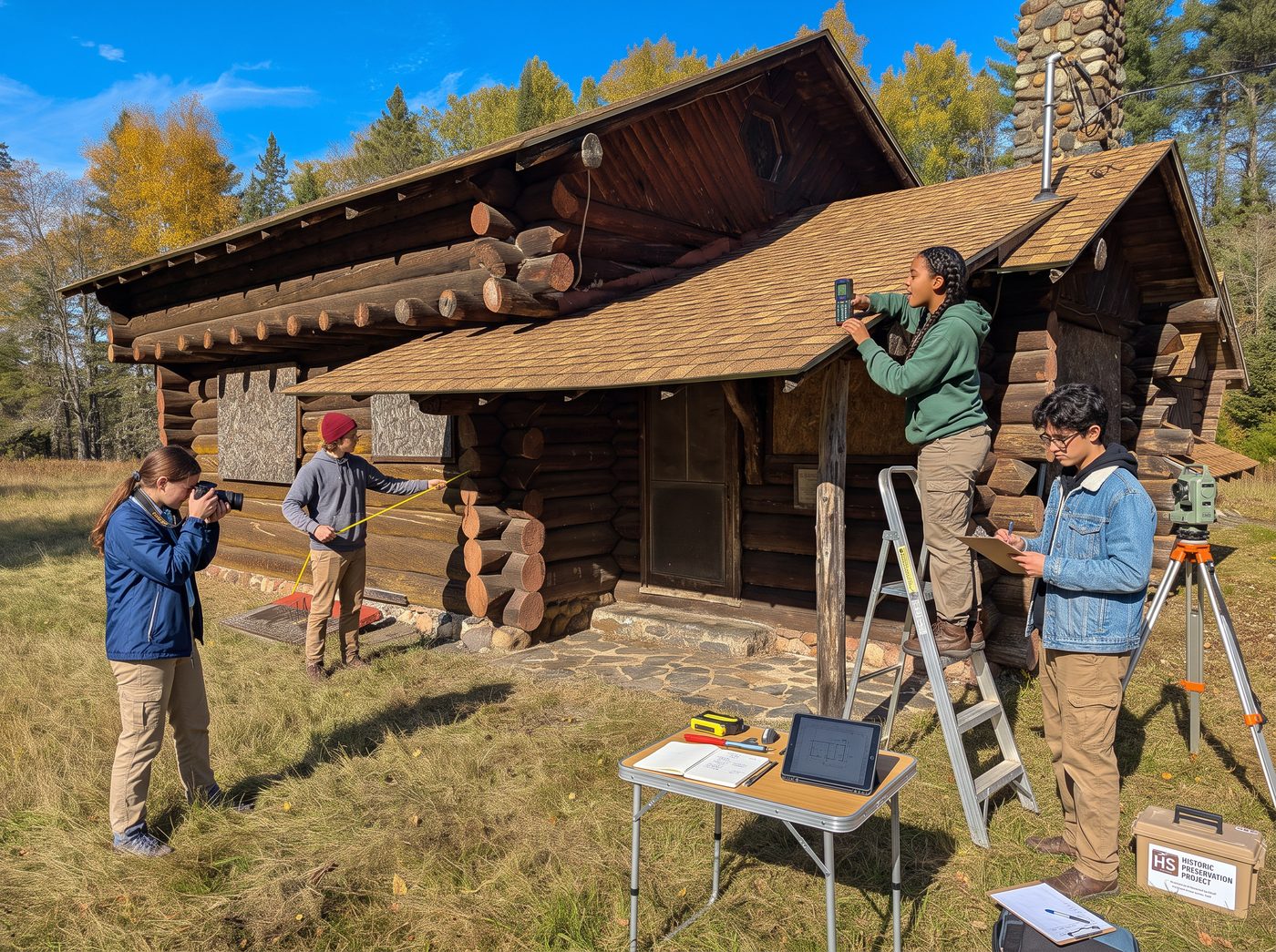
- Research and writing on the 1933–35 cabin and the relief era
- Architectural documentation and drawing
- Oral history projects with community members
Art, design and fabrication
- Posters and promotion for our yearly events
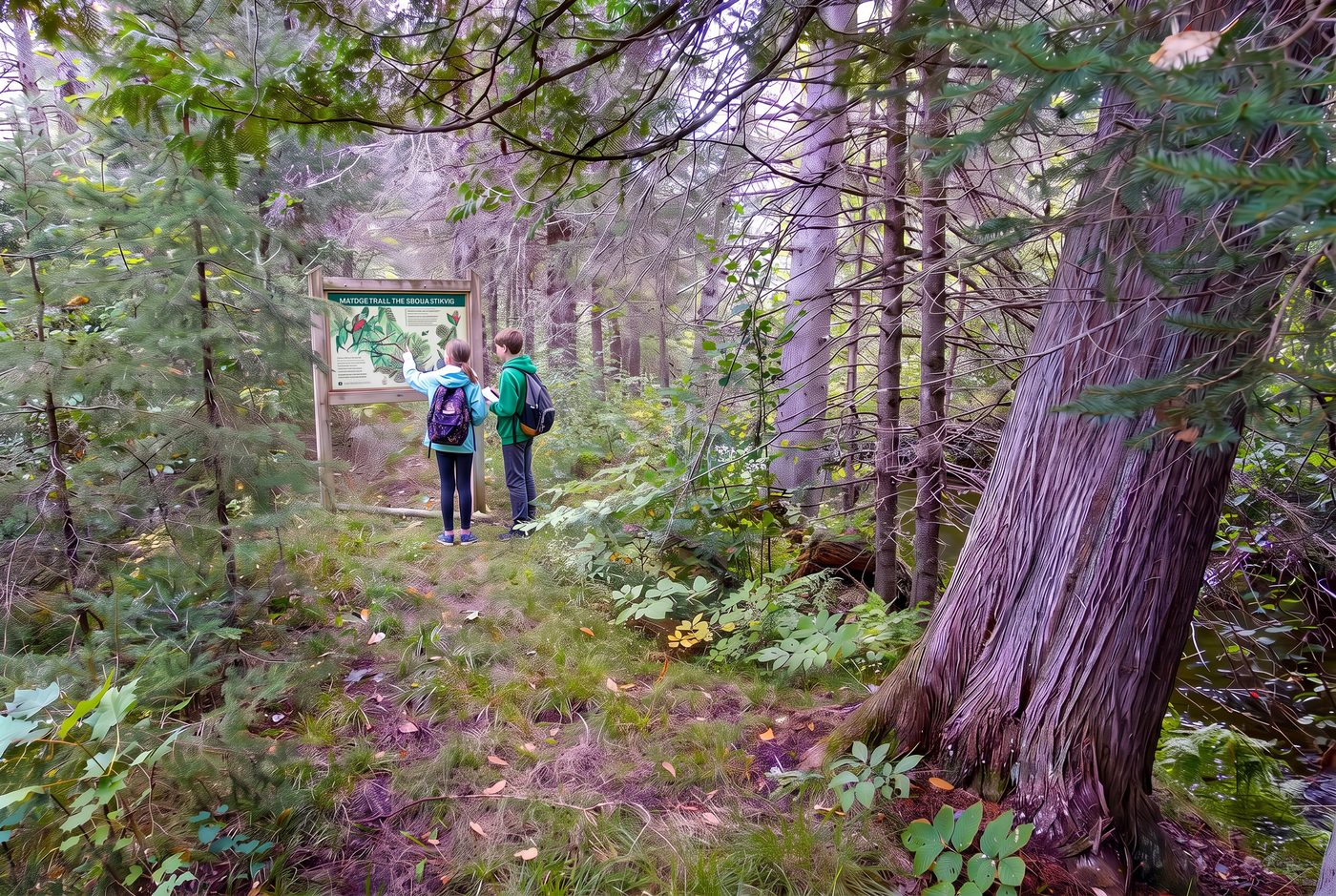
- Interpretive trail sign design and content
- Fab lab fabrication of signs installed on site
- Photography, video and social media
Community and leadership
- Event volunteering and coordination
- Student-led cabin and trail tours
- Invasive species and stream bank restoration
- Grant research and writing as a classroom exercise
Real work, real results
Work that gets used
What students make here is not just graded. Their signs are installed along the trail, their posters announce our events, and their water-quality data adds to what we know about the stream.
Our plan starts small. The first year brings supervised school field days to the site and invites student art, media and marketing classes to help with our outreach. In the second year, field days grow and students begin monitoring water quality. By the third year students can help design and build the trail signs. We have budgeted for field-day supplies, so schools are not asked to cover costs.
October 5, 2026
From the Forest to the Floor
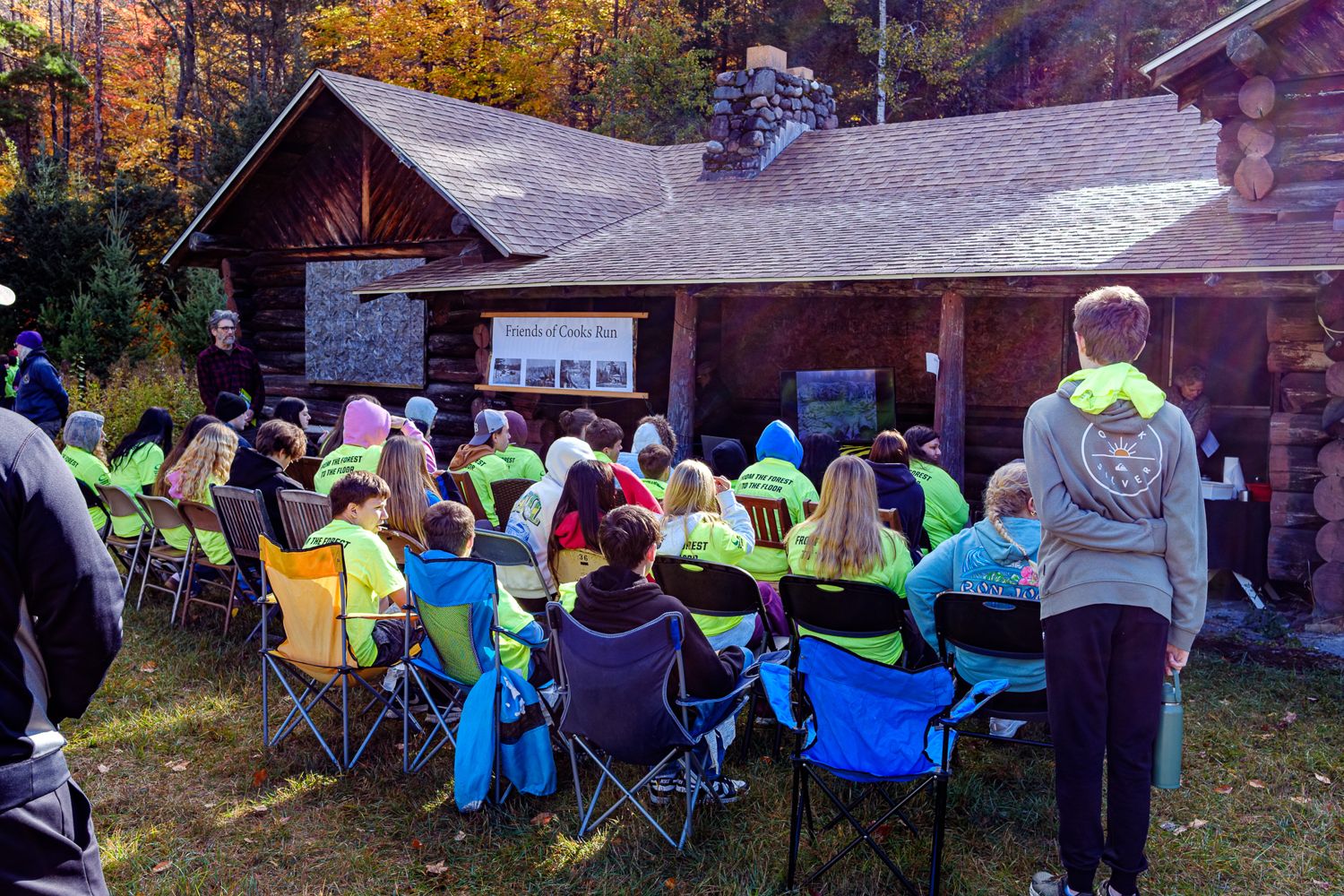
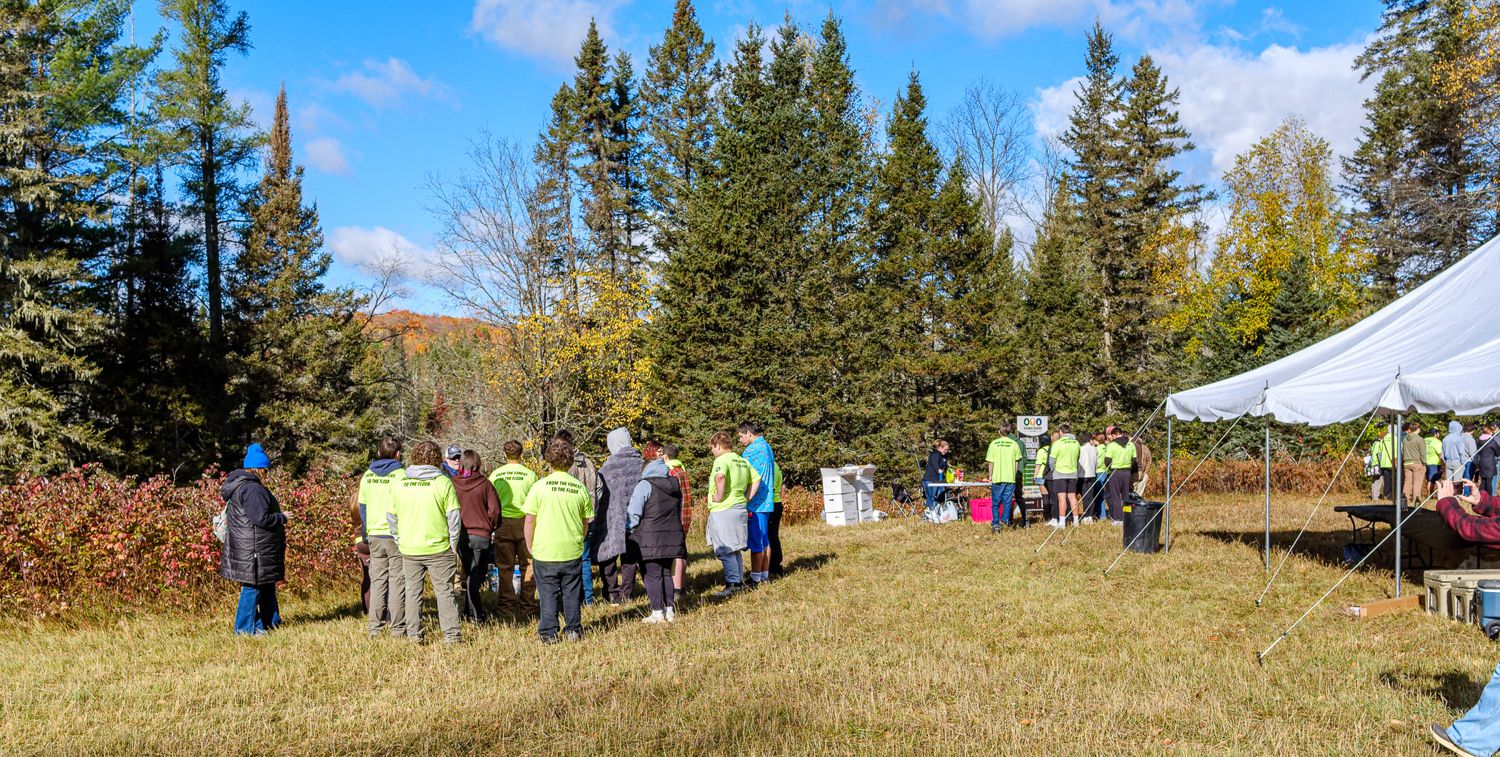
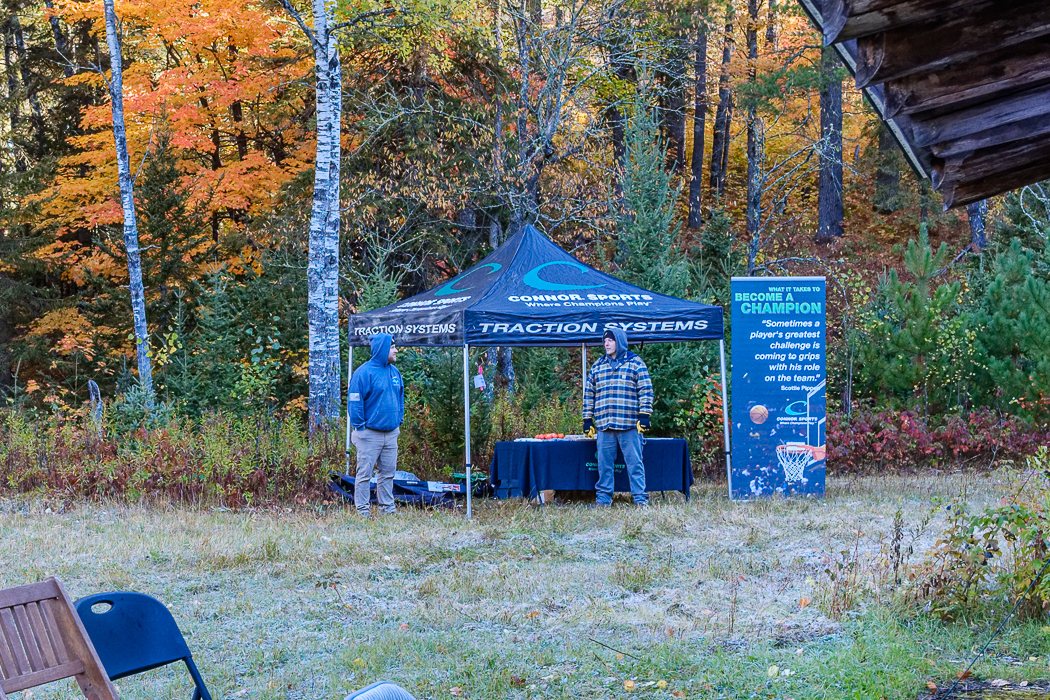
On October 5, 2026, students from three area schools came to the cabin for a day built around careers in natural resources and the jobs those careers offer close to home. They moved from station to station, talking with foresters, biologists, conservation officers, wood-products companies, consultants and workforce-training programs. About twenty stations were set up in the clearing around the cabin, and the sponsors and presenters made the day possible.
The clearing beside the cabin made a natural outdoor classroom, and the day showed what the place can do for students.
The film
The story we told students
For the students that day we made a short film about Cooks Run: the stream, the land, the history and the future we hope to build. It is the same story told on these pages.
Video not showing? Watch it on YouTube.
Teachers and school staff: let’s talk.
Tell us what your students would like to work on, whether that is a single field day or a semester project. Write to us at info@friendsofcooksrun.org.