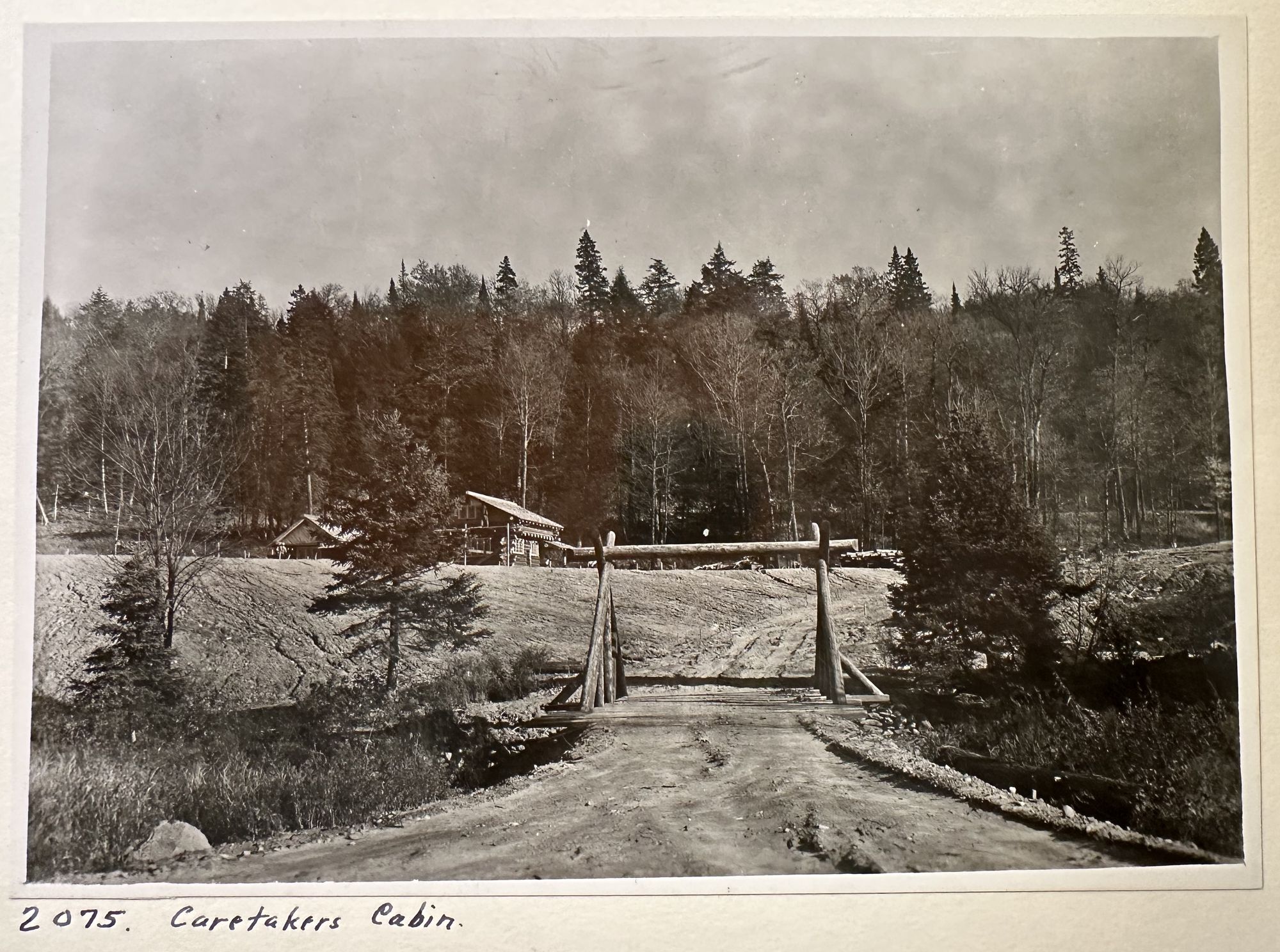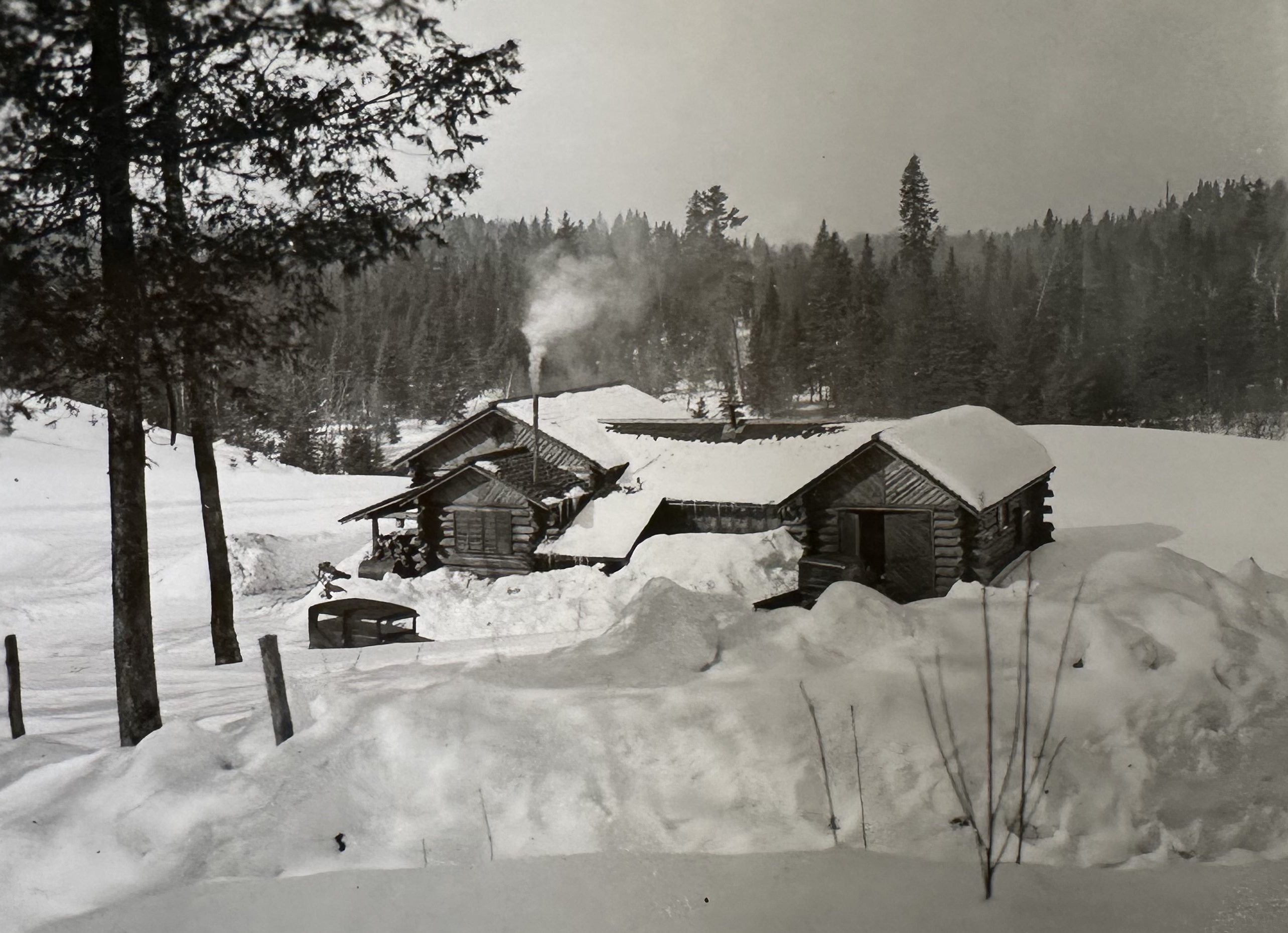
The caretaker’s cabin under deep snow in February 1935, smoke rising from its chimney

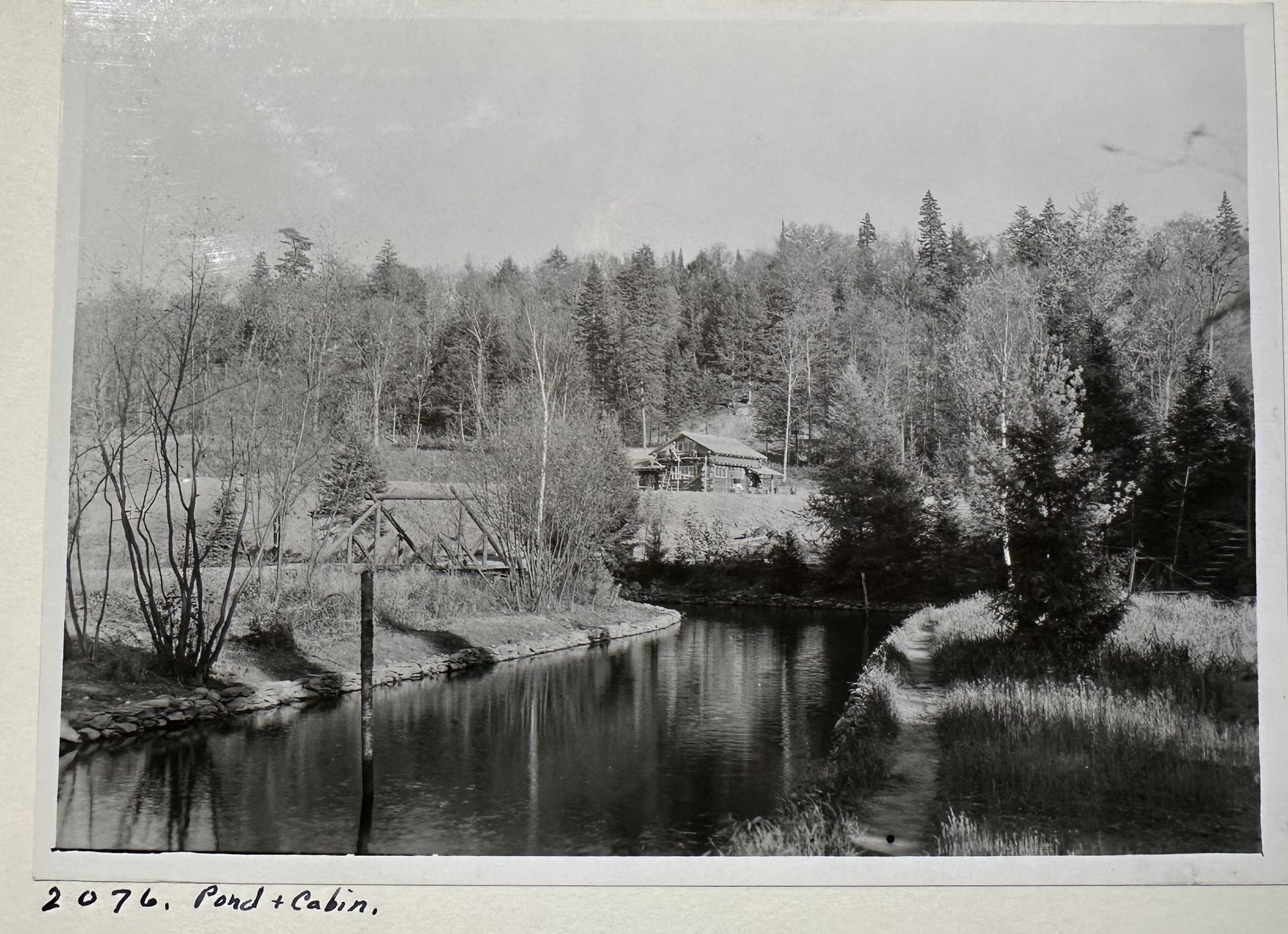
In the worst years of the Depression, federal relief crews built a trout nursery on Cooks Run for the Michigan Department of Conservation. The log caretaker’s cabin they left behind is on the National Register of Historic Places.

Timeline

Ninety years on one stream

  1. 1932A state land survey maps the site, a year before construction begins.
  2. Dec. 1933The Civil Works Administration project begins. The plan calls for a brook trout rearing system able to raise 1,500,000 fingerlings a year.
  3. 1934Federal funding shifts, and the Emergency Relief Administration carries the work on to completion.
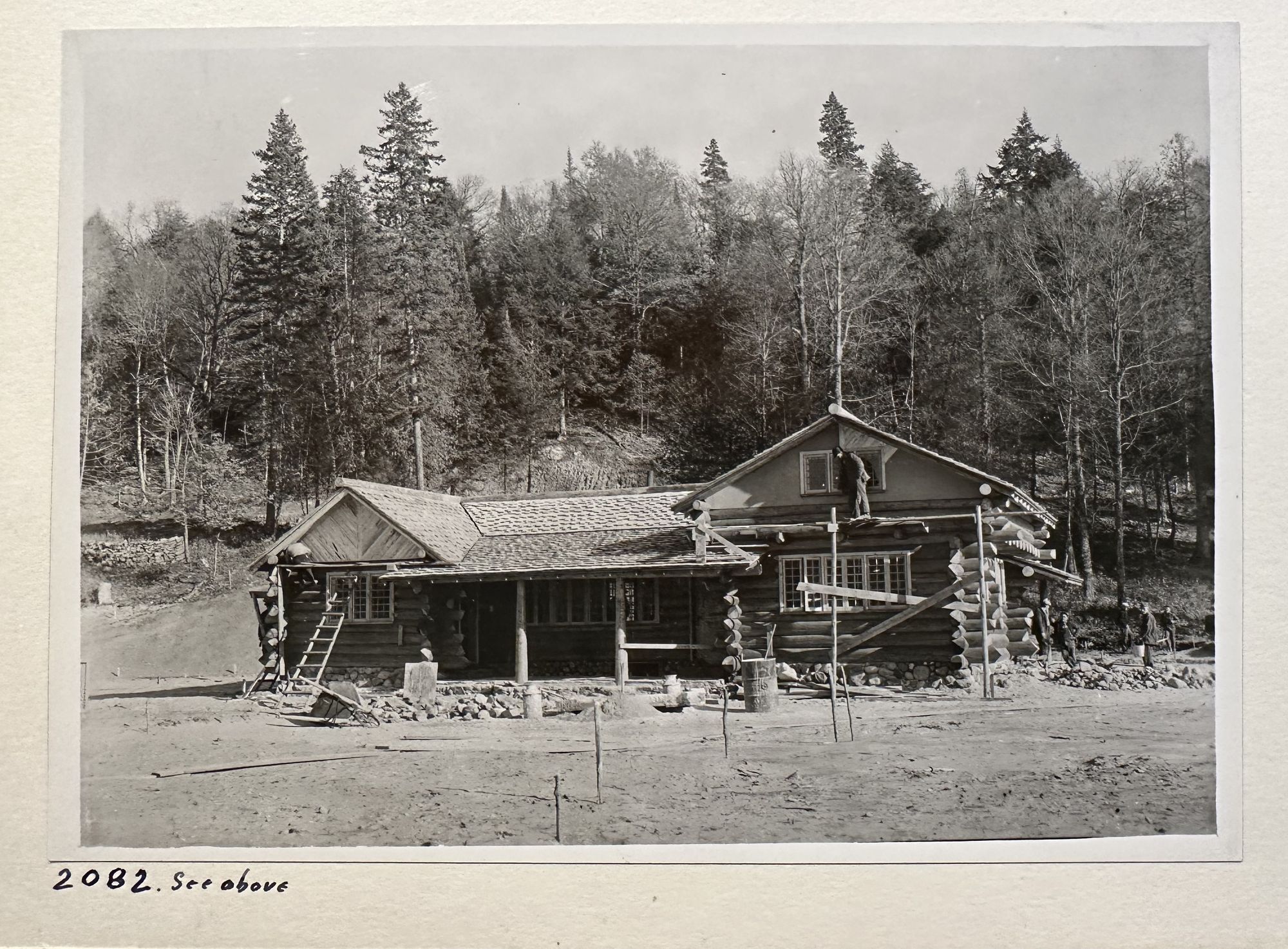
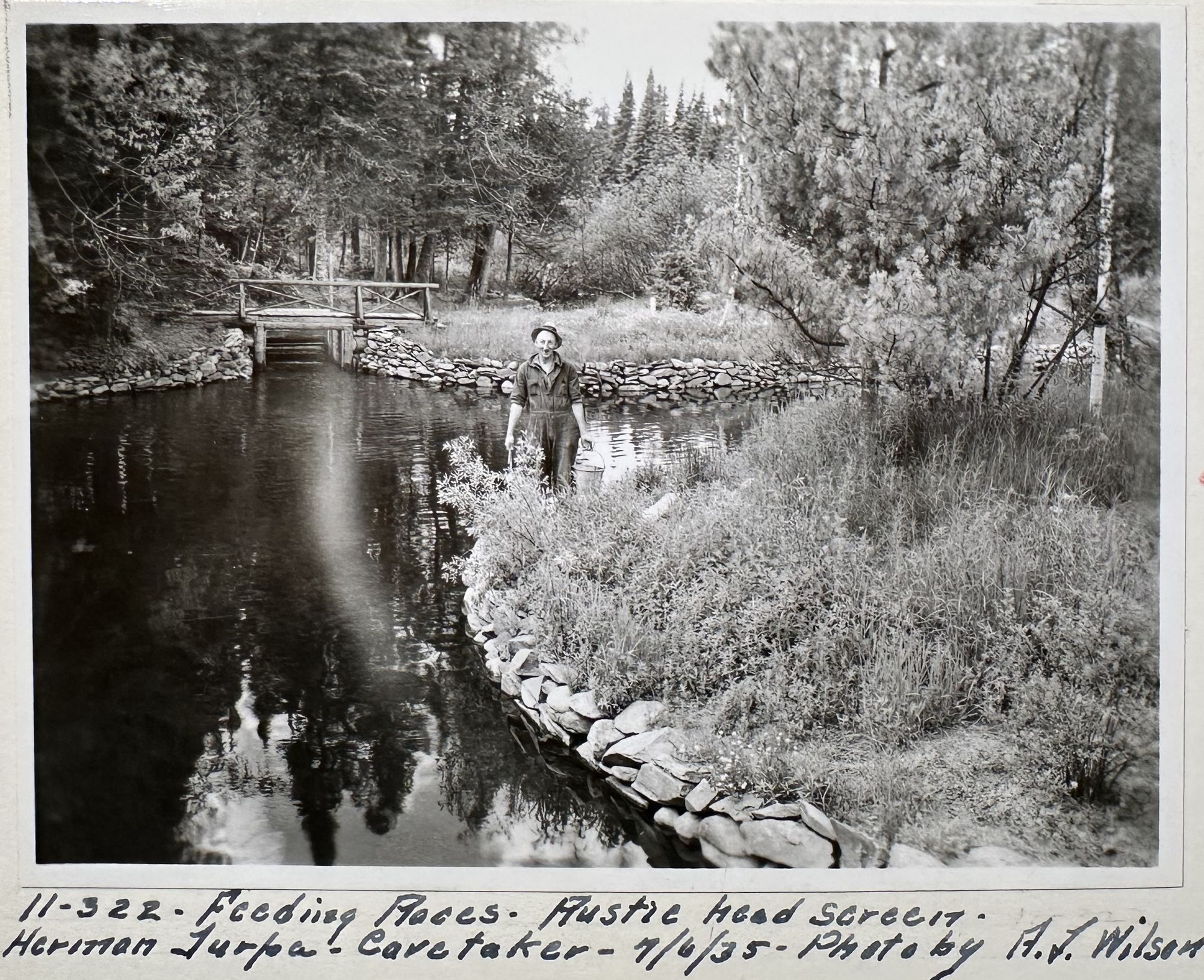
  4. Winter 1935Crews build the caretaker’s cabin straight through the snow. By summer the station is running under caretaker Herman Turpa.
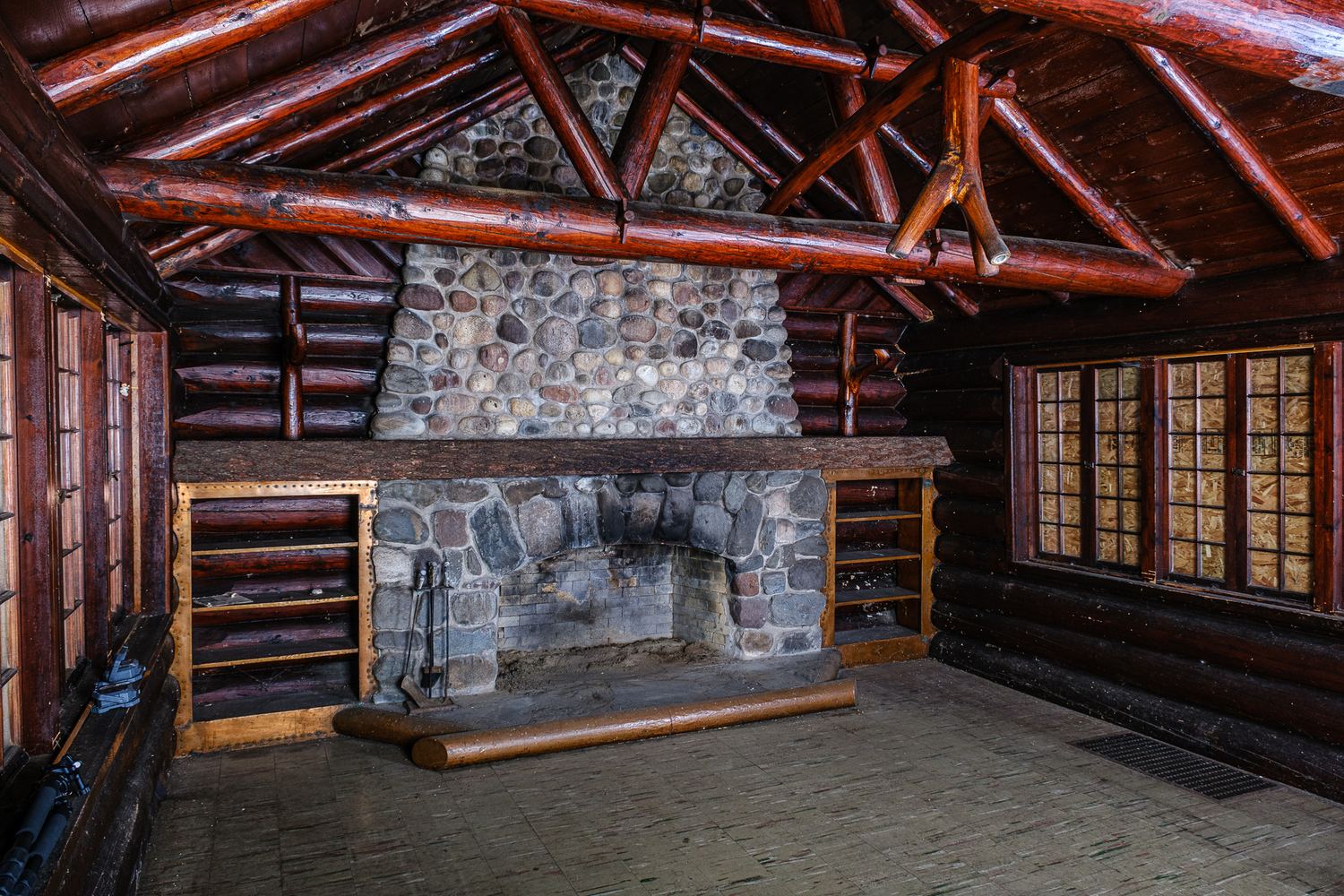
  5. 1936The cabin’s fieldstone fireplace carries the mason’s date.
  6. 1950A station survey records all fourteen dams, still standing after sixteen years of use.
  7. 1960The state closes the station, citing falling license revenue and the need to consolidate trout production.
  8. 1961The state conveys the 121.56 acres to Iron County to be held for public purposes.
  9. 1970s–2008The Kettula family leases the ponds and raises trout there for some thirty-five years, paying the county in fish.
  10. 1983The caretaker’s cabin is listed on the National Register of Historic Places.
  11. 2024–25An ecological assessment finds Cooks Run still a high-quality coldwater stream.
1933–1960

A trout nursery in the woods

Iron County’s mines and lumber mills had nearly shut down, and thousands were out of work. That hardship qualified the county for federal relief projects, and the Conservation Department’s Fish Division had a use for the labor: a streamside rearing station on a cold, spring-fed reach of Cooks Run.

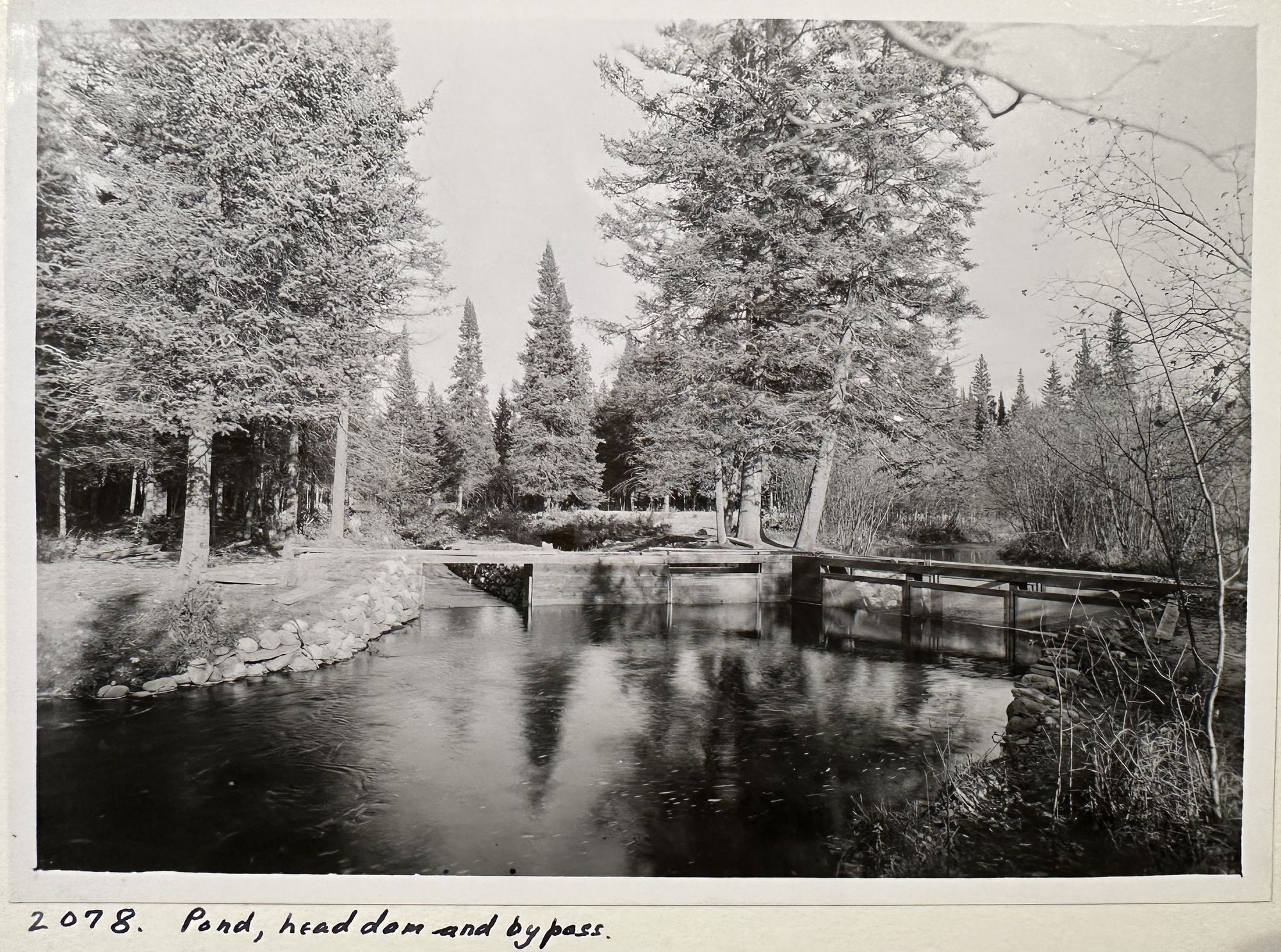
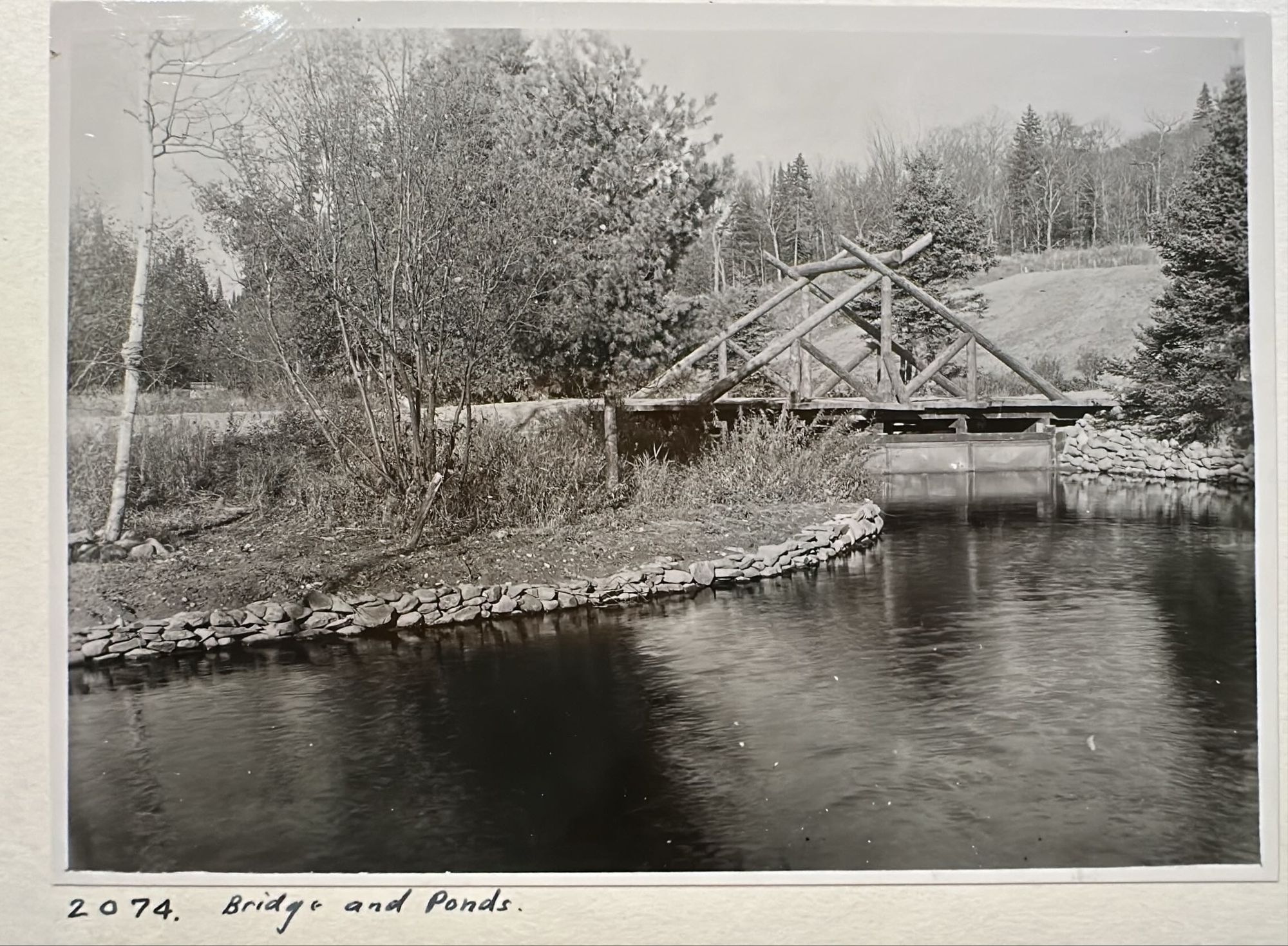
Eggs were hatched at state hatcheries, and the fingerlings were trucked here to grow on the stream’s own water until they were big enough to plant. The whole system ran by gravity. A chain of fourteen small dams stepped the stream down its channel, and a 2,000-foot diversion ditch carried flood flow around them. Roughly two hundred men worked on it, straight through the winter of 1934–35.
1934–1936

The caretaker’s cabin

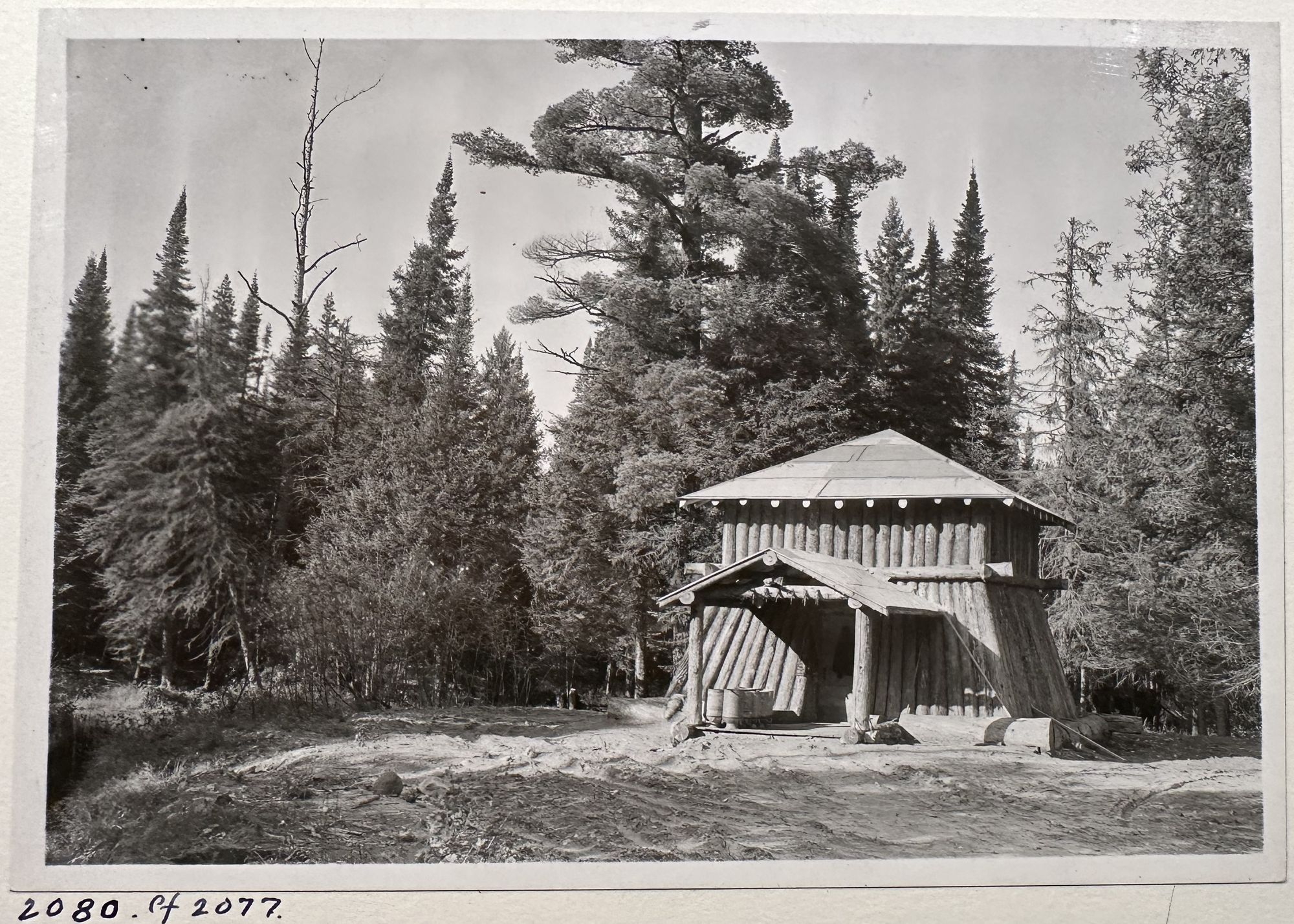
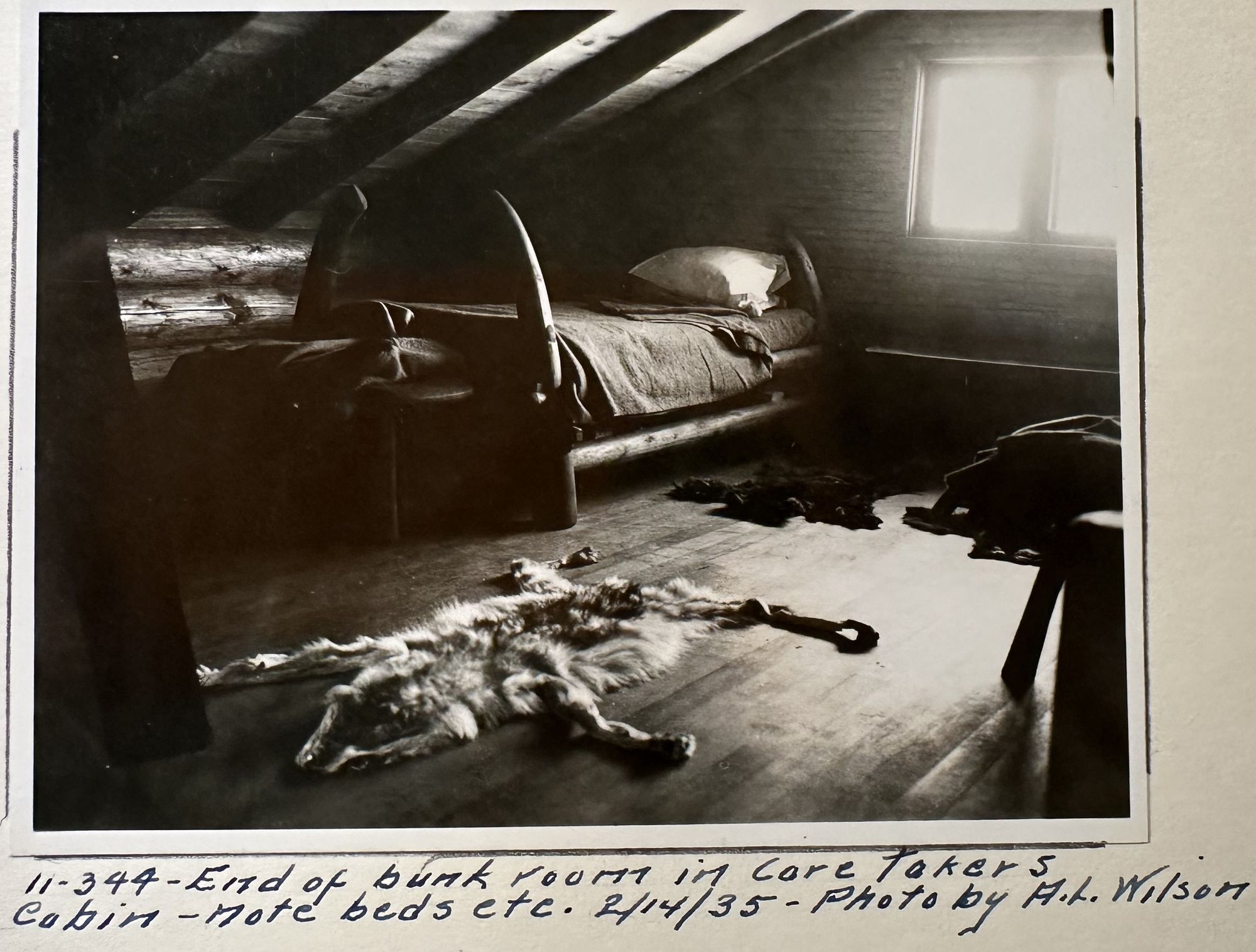
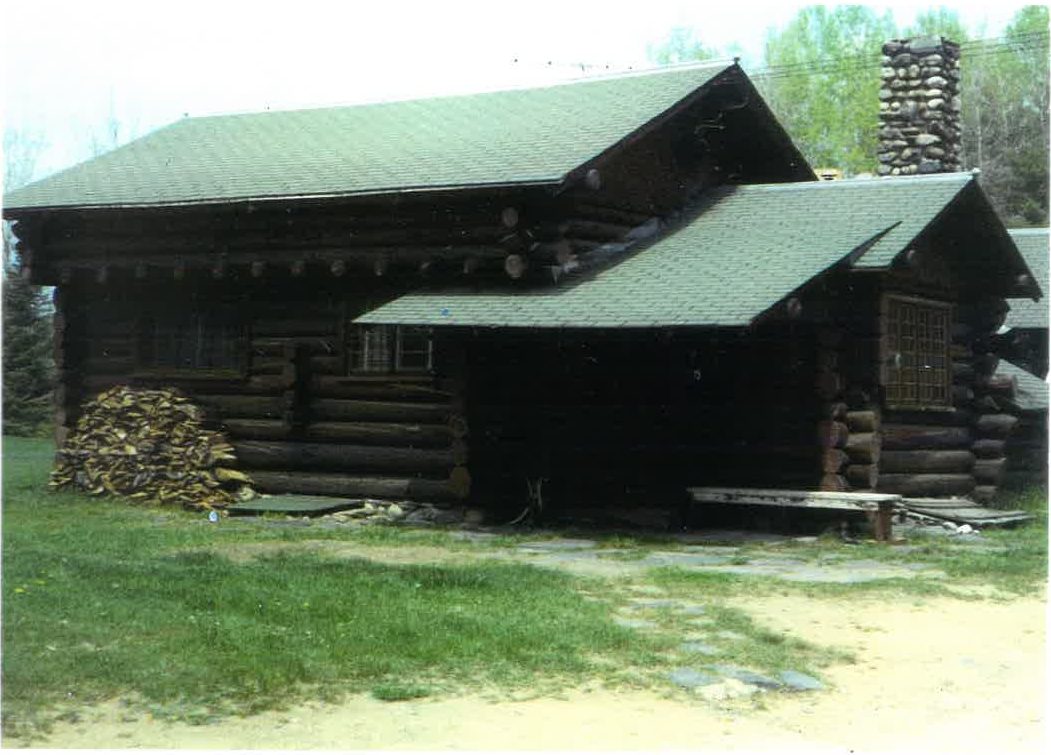
A resident caretaker was essential, since the fish were fed by hand every day of the year. The relief crews built a full log residence on a fieldstone foundation, and the skilled men among them made it a showpiece.

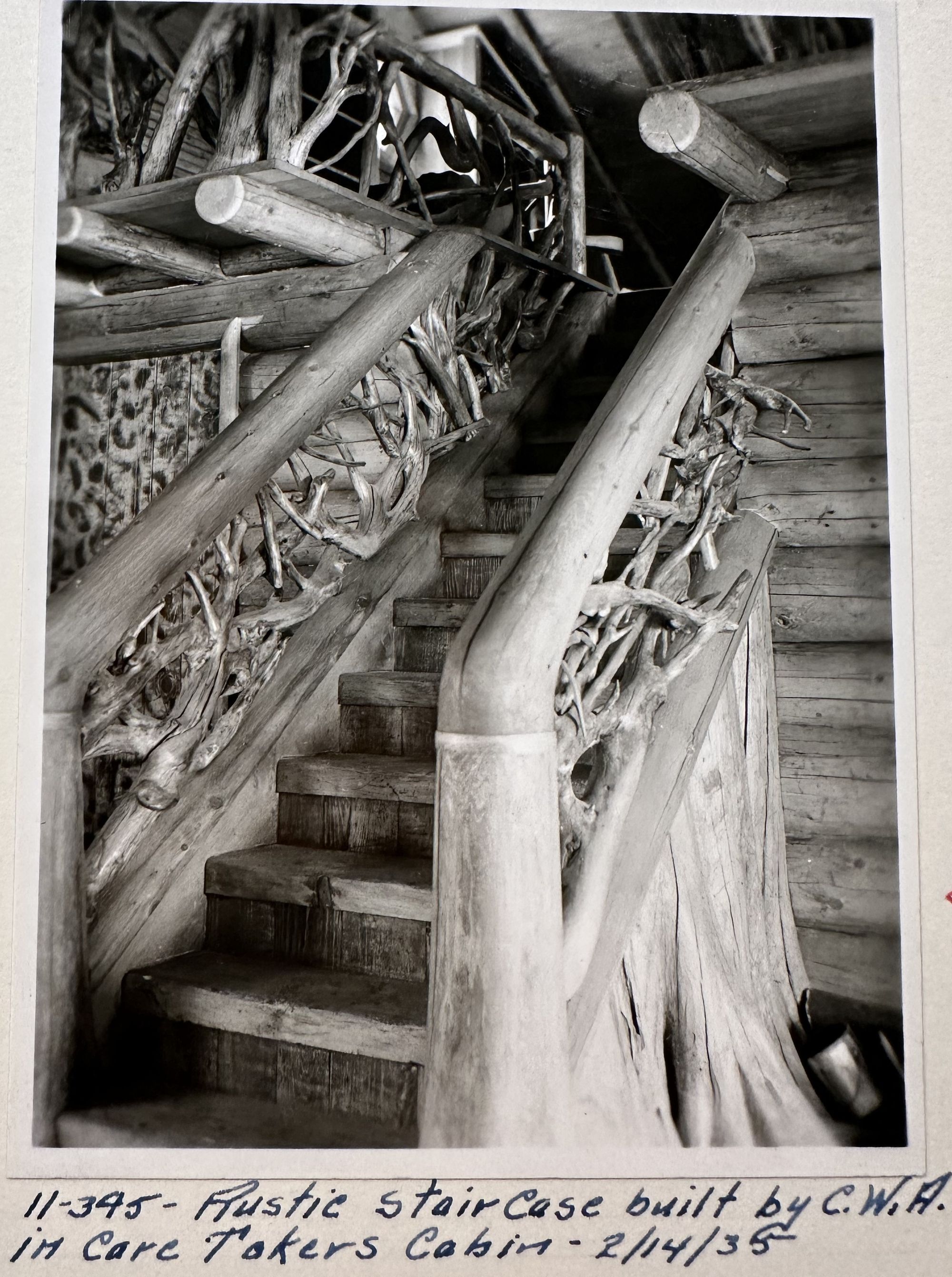
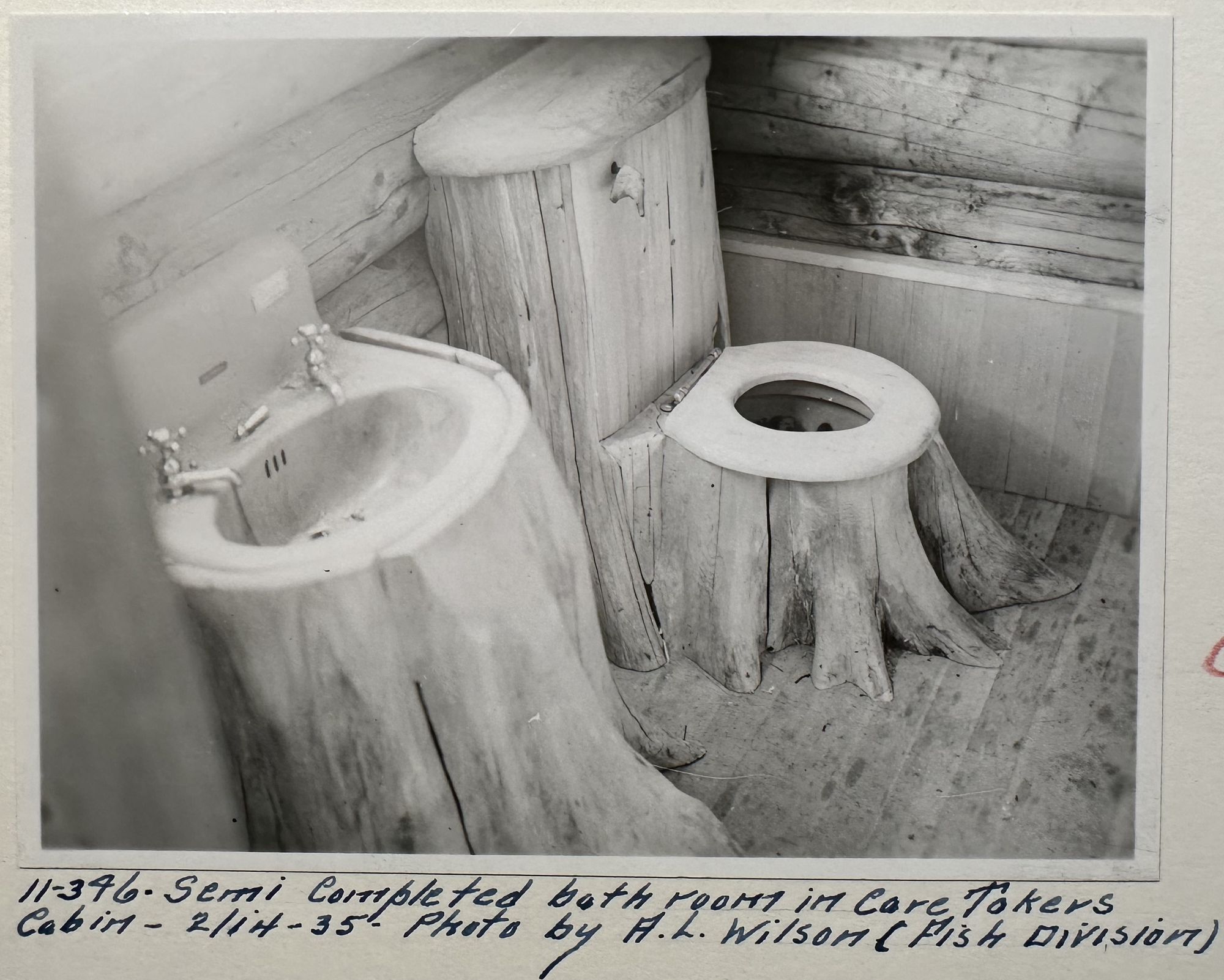
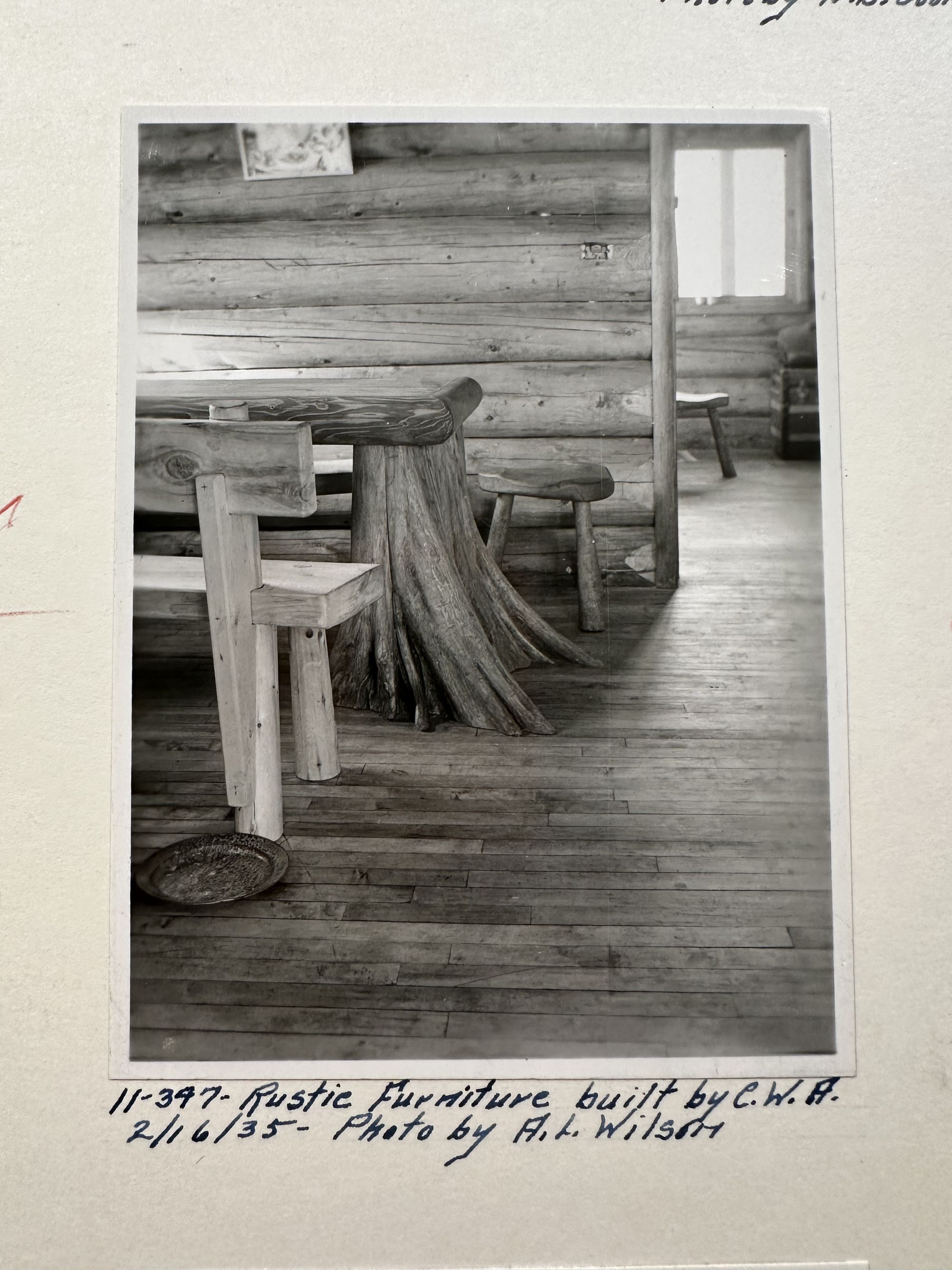
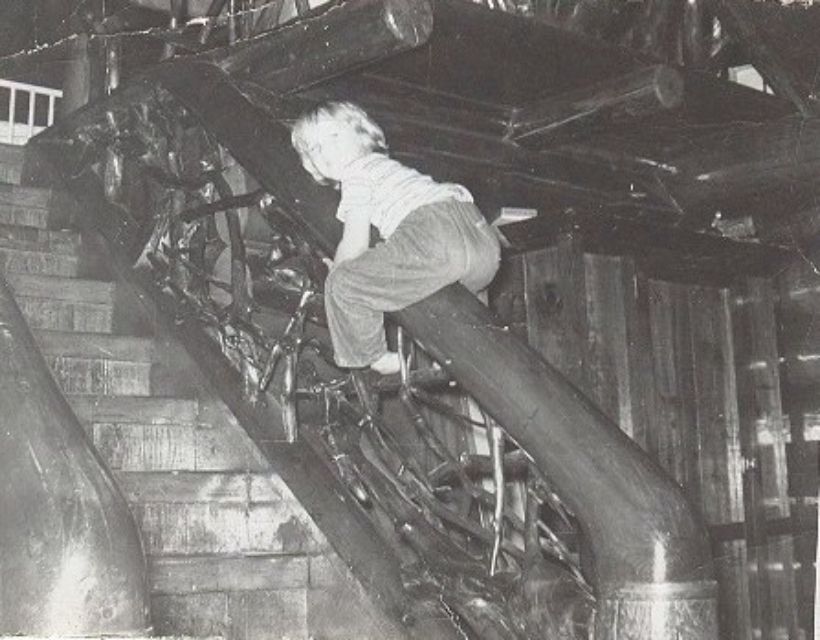
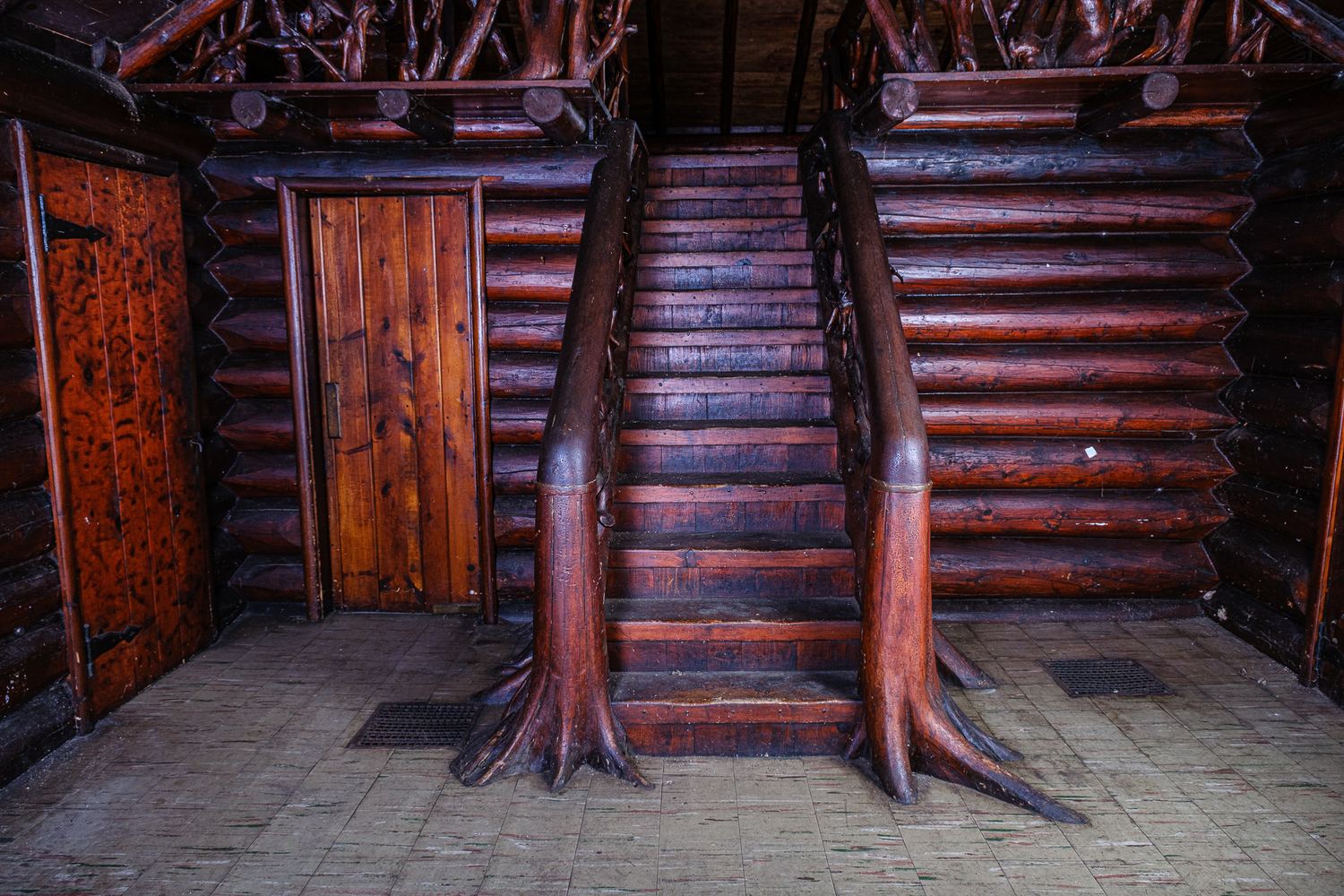
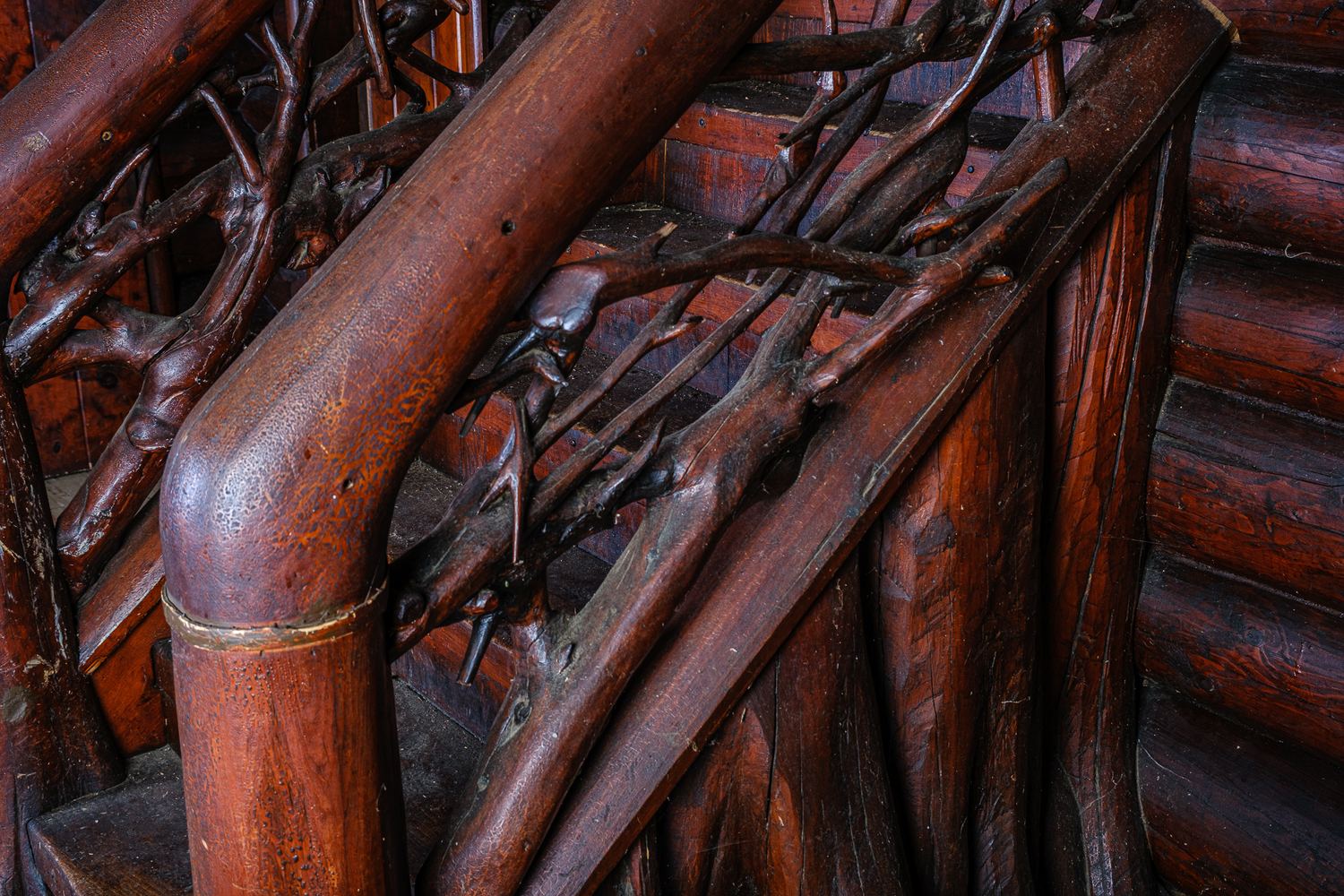
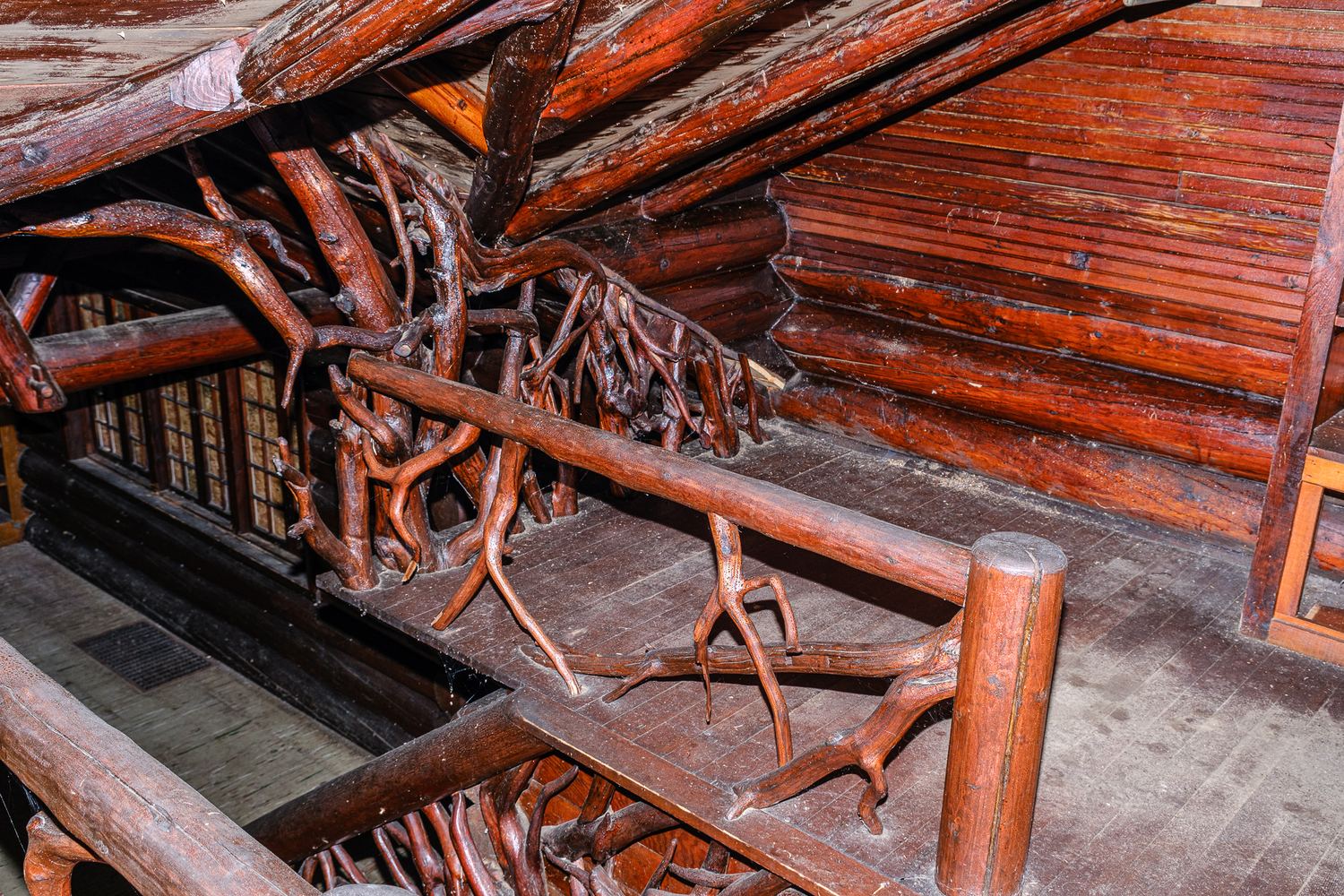
Inside, local woodcarver Frank Rawnick fashioned the stair railings and fixtures from mitered tree roots, cedar stumps and hand-hewn plank. The National Register nomination singles out those details. Locally the building is still called the WPA cabin, but the records show the project began under the Civil Works Administration in December 1933 and was finished under the Emergency Relief Administration.

1961–2008

The county years

The state closed the station in 1960 and deeded the property to Iron County the next year. Ingeborg and Harley Koch held the county caretaker post from 1961 into the mid-1980s.

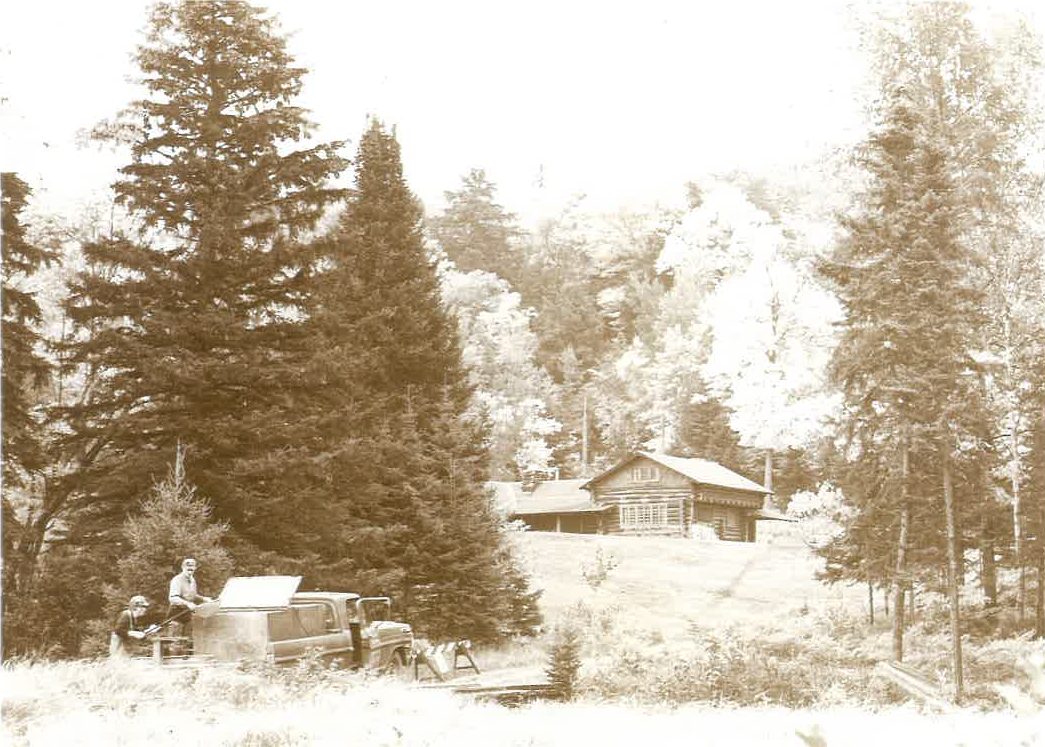
The ponds went back to work in the 1970s, when the Kettula family, Wisconsin trout farmers, leased them. They trucked in stock each May, grew it on the cold water through the summer and hauled it out by fall. Dave and Marlene Kettula made the cabin their home through those summers. The lease ended in 2008, when laws restricting the transport of fish across state lines ended it.

September 2026

The cabin today

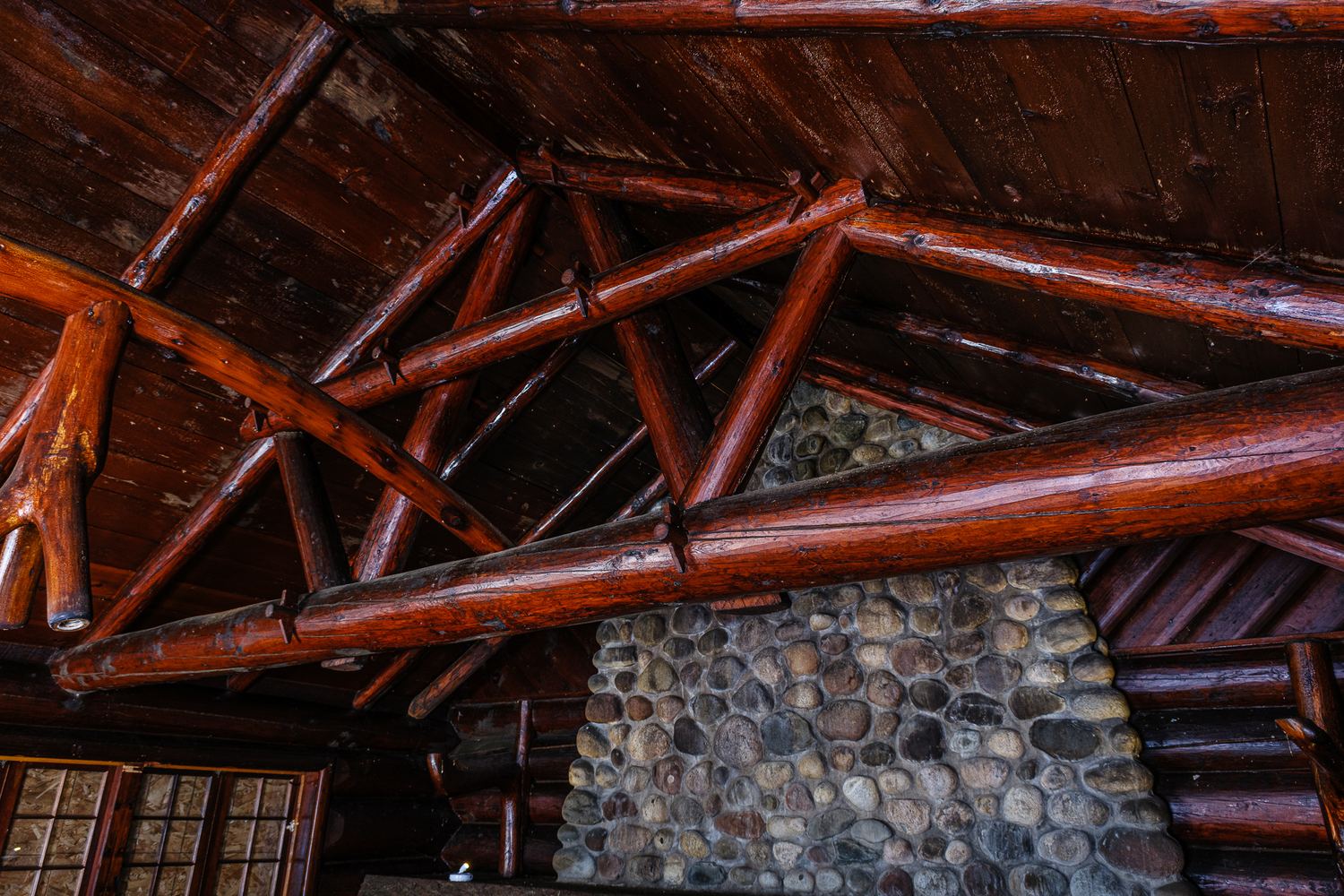
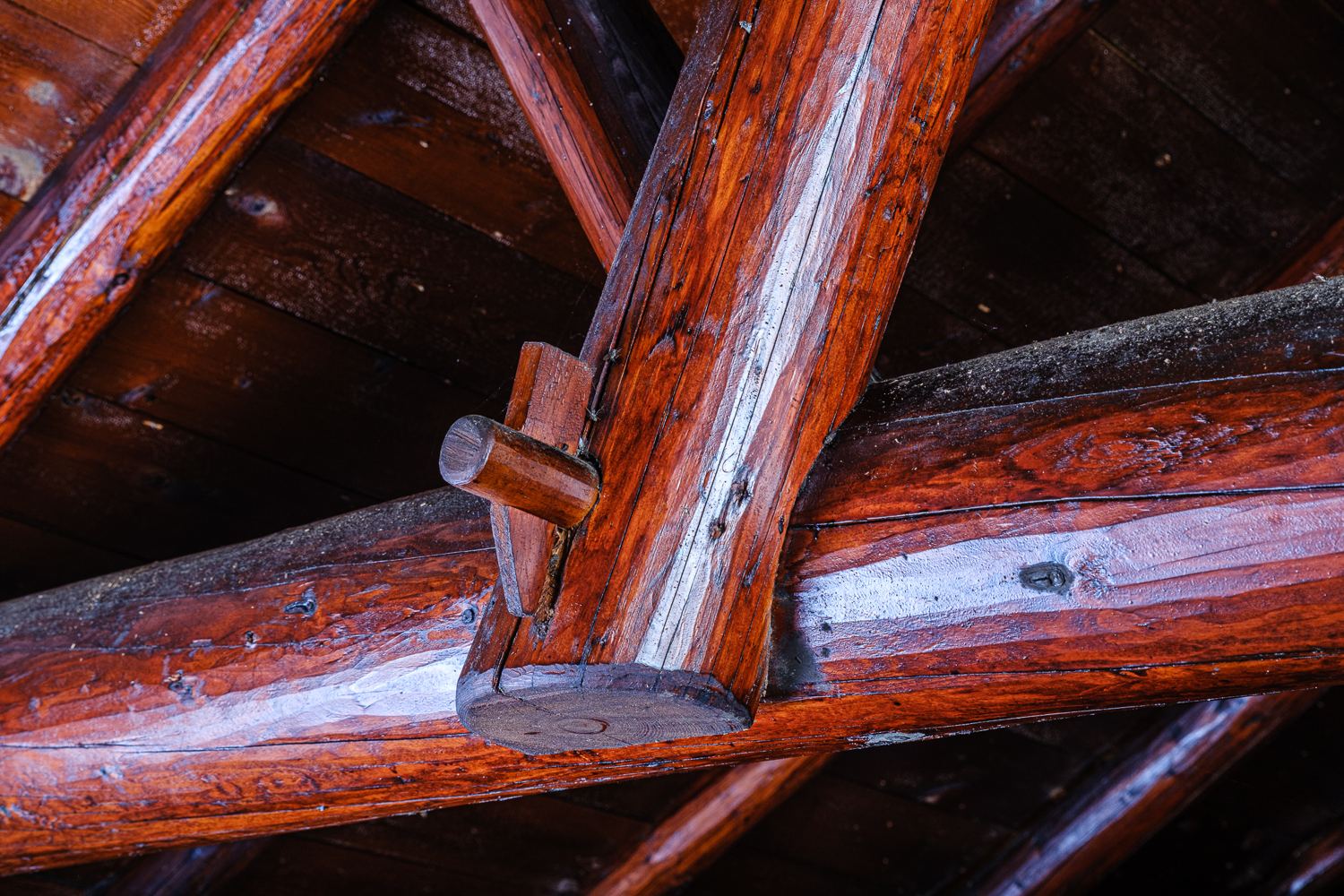
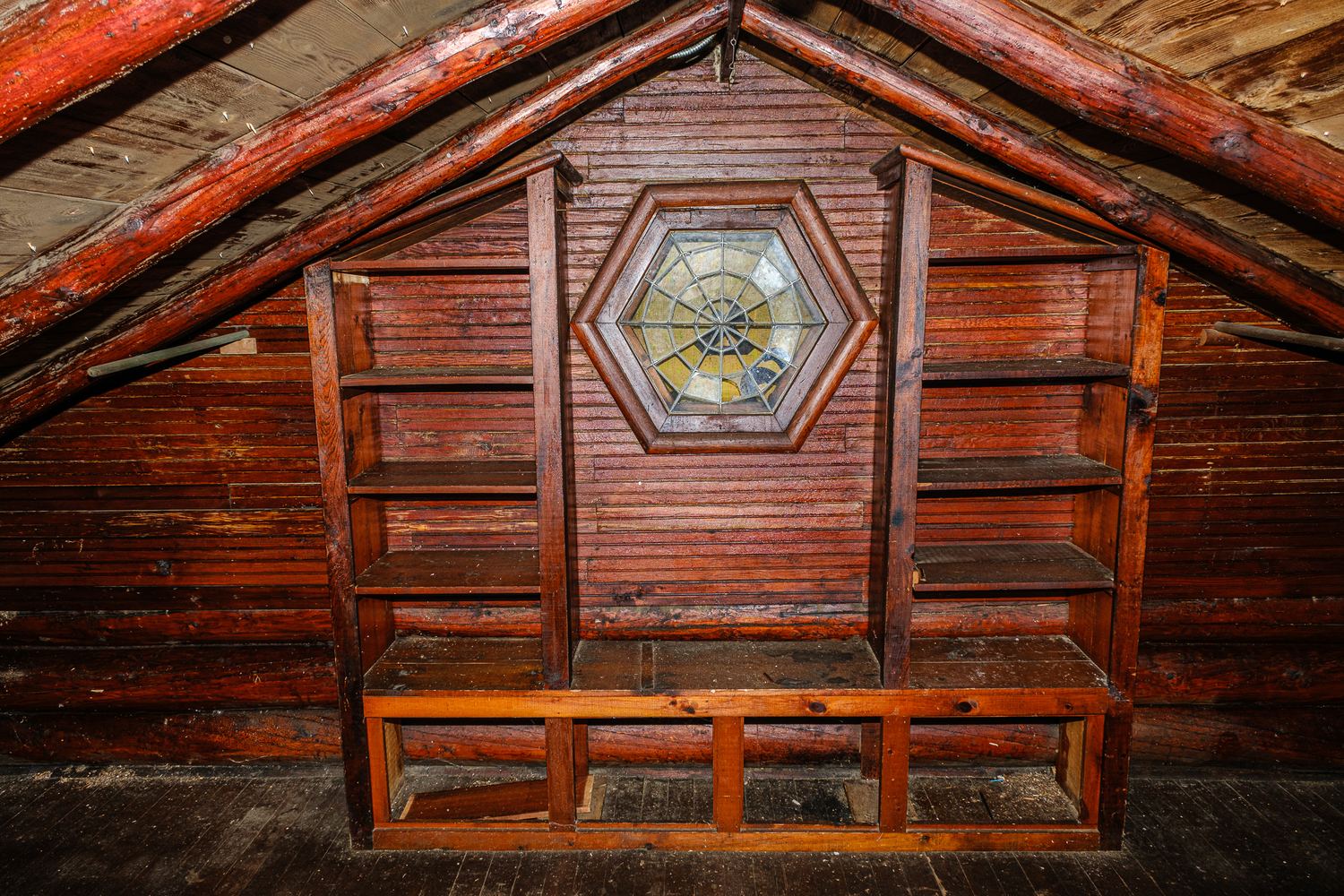
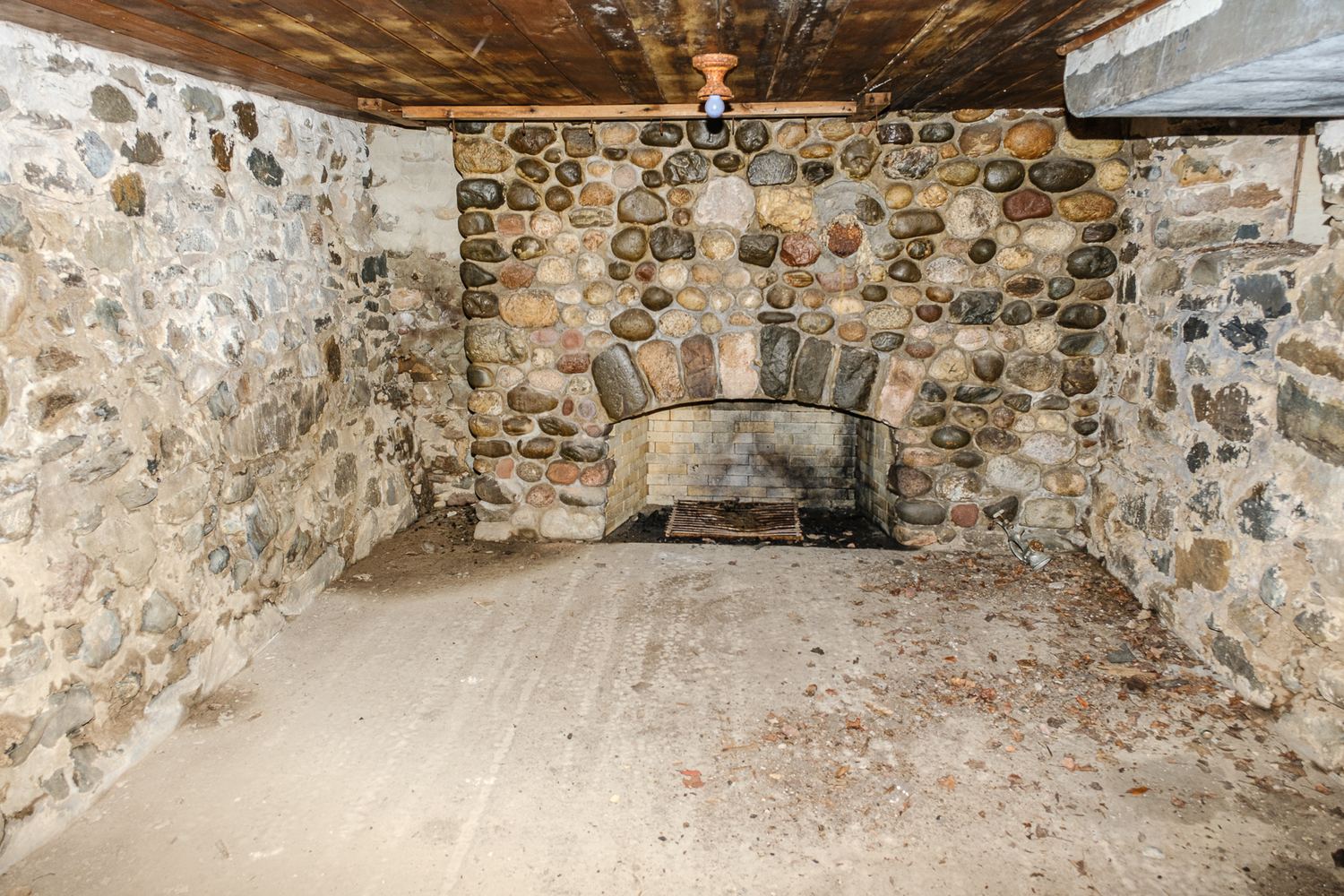
Step inside and the craftsmanship of the 1930s is still there: the root-work railings, the log trusses, the fieldstone fireplace and the newel posts carved from tree stumps. The photographs below were taken in September 2026.

It also shows its age. The windows are covered, and a fieldstone basement still holds the building’s old heating equipment. Protecting the cabin is the first job in our plans.

Do you have photographs or memories of Cooks Run?

We are still piecing this history together, and neighbors, former caretakers and their families know things the records do not. Write to us at info@friendsofcooksrun.org. A fuller illustrated history will be linked here soon.

Archival photographs: Michigan Department of Conservation, Fish Division (photographers A.L. Wilson and A.B. Cook). County-era prints: Iron County Historic Museum. Kettula photograph courtesy of the Kettula family.